



TV show availability guide
Edwardian Farm
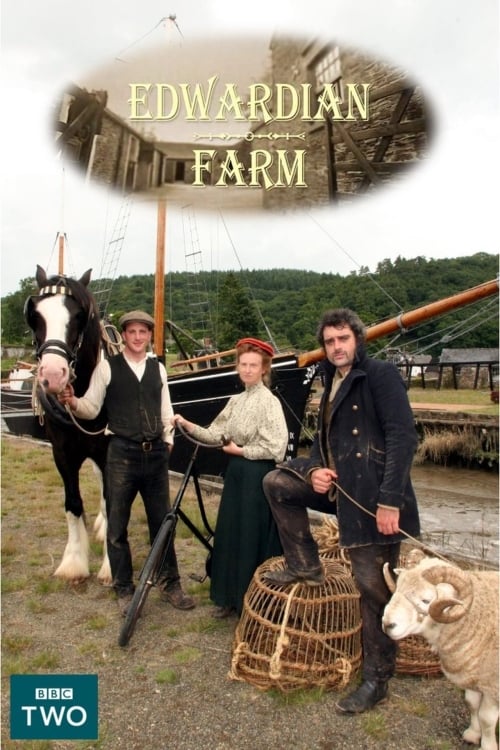
Edwardian Farm is an historical documentary TV series in twelve parts, first shown on BBC Two from November 2010 to January 2011. It depicts a group of historians trying to run a farm like it was done during the Edwardian era. It was made for the BBC by independent production company Lion Television and filmed at Morwellham Quay, an historic quay in Devon. The farming team was historian Ruth Goodman and archaeologists Alex Langlands and Peter Ginn. The series was devised and produced by David Upshal and directed by Stuart Elliott. The series is a development from two previous series Victorian Farm and Victorian Pharmacy which were among BBC Two's biggest hits of 2009 and 2010, garnering audiences of up to 3.8 million per episode. The series was followed by Wartime Farm in September 2012, featuring the same team but this time in Hampshire on Manor Farm, living a full calendar year as wartime farmers. An associated book by Goodman, Langlands, and Ginn, also titled Edwardian Farm, was published in 2010 by BBC Books. The series was also published on DVD, available in various regional formats.
2010 9.7/10 community score 1 season · 12 episodes Ended
- Documentary
- Reality
Viewing market
Country-level availability
Where to watch in United States
5 platforms currently listed across all viewing options
Data checked 21 Oct 2026, 17:38 UTC
Included with subscription
2Linked platform guideAmazon Prime VideoPlatform guideView details Linked platform guideAmazon Prime Video with AdsRelated brand guideView details


Free with ads
2Streaming providerThe Roku ChannelNo linked platform guide yetDetails unavailable Linked platform guideTubi TVRelated brand guideView details


Buy
1Streaming providerAmazon VideoNo linked platform guide yetDetails unavailable

Series schedule
Seasons and episode dates
A concise series timeline, including the latest aired episode and the next date currently listed.
- First aired
- Seasons
- 1
- Episodes
- 12
- Status
- Ended

Latest aired episode
S1 E12
August
Aired 1h
August brings the climax of the farming year - and the end of 12 months on the Edwardian Farm for archaeologists Alex Langlands and Peter Ginn and historian Ruth Goodman. The team must harvest their oat crop, but everything depends on the weather. Constant rain is making the job impossible. It is crucial to be able to predict when a dry spell will come so that they can be prepared to swing into action. They investigate ways of forecasting the weather and embark on creating a weather vane. Peter tries his hand at the art of repousse to make a copper cockerel for the vane, and the team heads for the woods to do a traditional charcoal burn in order to smelt iron for the compass points. When the rain finally clears, the team deploy the latest in Edwardian farming technology for the oat harvest - including a tractor that was then state-of-the art, the 'Moghul'. And the event is captured by an Edwardian film crew - tapping into the very latest in Edwardian fads: the cinema. To celebrate the end of harvest, the whole town enjoys a grand fete sporting new innovations such as the electric light bulb, the latest threshing machines, the petrol-powered Lister engine and a genuine flying machine. The Edwardian era ended with an event that changed the countryside forever - the First World War. Michael Morpurgo, author of the play War Horse, comes to the farm to give Alex, Ruth and Peter an insight into the consequences. Although the human cost was dreadful, the growth of mechanization meant many rural areas had labour to spare. But over a million horses were also drafted into service - and only 60,000 came back - paving the way for tractors to finally replace horse-power. Farming would never be the same again. Last in Series
Next listed episode
No upcoming episode date is currently listed.
Season guide
Most recent seasons first
Season 1
12 episodes
First episode aired
About these dates: Air dates describe the series schedule and may change. They do not confirm that an episode is available on the same date from the providers listed above.
Reader conversation
Community discussion
Share viewing experiences, useful context or corrections. Comments are hosted by Disqus and load only after you choose to open them.